Suppose you have 10 stocks, each in the IT sector, each with similar fundamentals. You bet 3% of capital on each. Naively, this is "10 diversified bets totalling 30% exposure." It is not. When IT sector news breaks (a regulatory crackdown, a major US tech earnings miss, a currency move), all 10 of your positions move together. The correlation across the 10 might be 0.5 or higher. The effective number of independent bets in your portfolio is not 10 - it is closer to 2 (using the effective-N formula from Chapter 18).
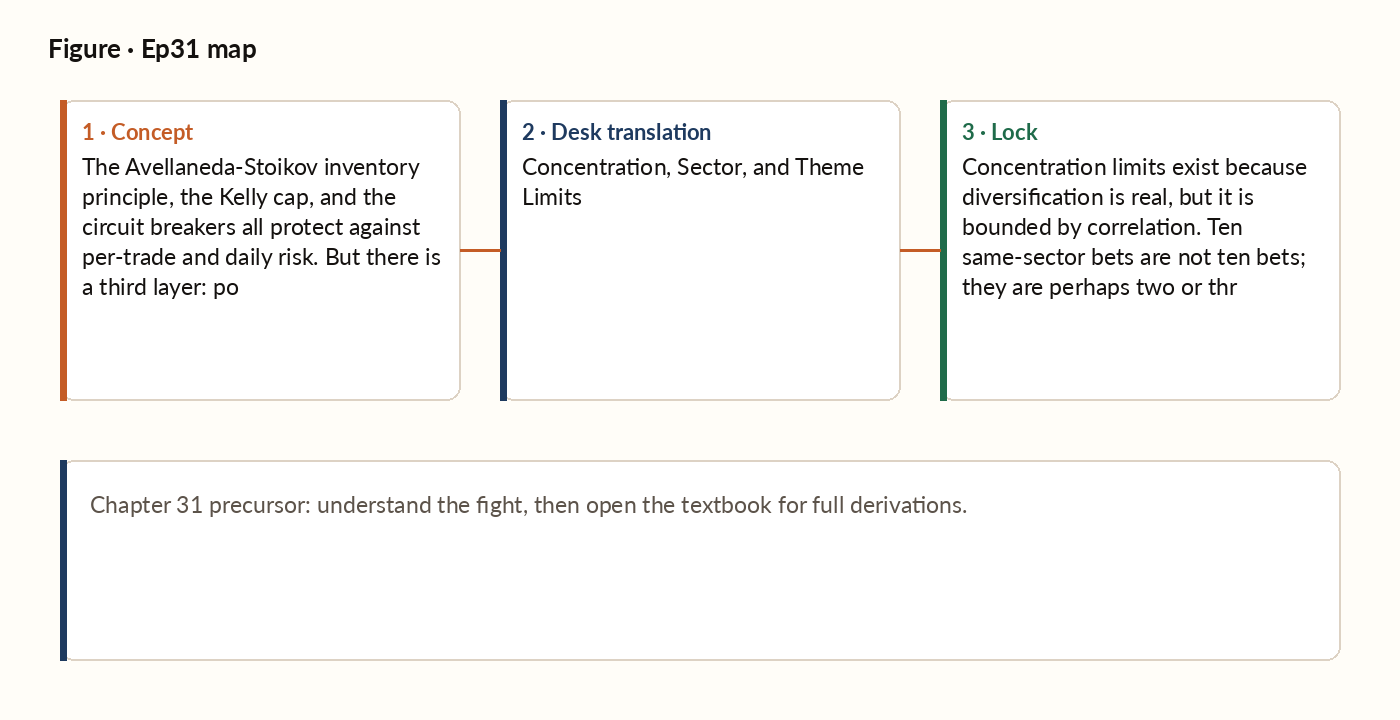
Figure 1. Concept map for this episode: fight, desk translation, what to lock.
The three concentration axes
Concentration limits operate on three axes simultaneously: Single-name concentration. The maximum position size in any one security, typically 5-10% of capital. This protects against any single name's idiosyncratic risk dominating the portfolio.
The sizing reduction algorithm
1. For each candidate position, start with its proposed weight. 2. Check the current sector exposure and theme exposure it would add to. 3. If adding it would push the sector total past the sector cap, trim the position down to whatever headroom remains under that cap. 4. If it would push the theme total past the theme cap, trim it down to whatever headroom remains there instead. 5. If the (possibly trimmed) weight still exceeds the single-name max, cap it there. 6. If what's left is below a minimum viable size, drop the candidate entirely.
Why concentration limits exist
Concentration limits are insurance against correlated downside. The probability that two stocks in the same sector both gap down simultaneously is much higher than the product of their individual gap-down probabilities - because sector news affects both. The variance of an equally-weighted basket of correlated names grows with the average pairwise correlation between them, and can easily run 3-5x the variance you'd get from the same number of uncorrelated names. The concentration limit caps this inflation by limiting how many same-sector or same-theme bets can be active simultaneously.
The discipline payoff
- Per-trade Bayesian Kelly sizing (Chapter 9) - ATR-adaptive position sizing (Chapter 28) - Pre-flight circuit breakers (Chapters 25, 28) - Daily max-loss circuit breakers (Chapter 29) - Single-name, sector, and theme concentration limits (this chapter)
Definition
A theme is a higher-level economic narrative that drives correlated returns across multiple sectors. Examples: - EV beneficiaries: auto OEMs (Auto sector), lithium miners (Metals), charging-infrastructure operators (Utilities), and chip designers (IT). Same narrative; four different sectors. - China reopening: consumer-goods exporters (Consumer), shipping (Industrials), commodities (Energy/Materials), and global luxury (Consumer). - AI infrastructure: chip makers (IT), data-centre REITs (Real Estate), and electricity utilities (Utilities). A sector-level concentration limit does not catch theme-level concentration. A trader can be at 20% in each of four sectors and still have 80% of the book on a single thematic bet. Theme limits provide the missing layer of risk discipline.
Worked picture
Ten equal 3% positions, all in the same sector, with a pairwise correlation of about 0.55. Working through the portfolio-variance math, that correlation shrinks the effective number of independent bets to roughly 1.7 - not ten. A single sector headline moves ~18% of NAV at once. Theme caps catch what sector caps miss when the narrative spans four sectors.
What breaks in production
The theme classification is only as good as the taxonomy you maintain. New themes emerge constantly (the "GLP-1 weight-loss drugs" theme of 2023-24 cuts across pharmaceuticals, food retail, and obesity-adjacent consumer brands). If your taxonomy does not include these themes, your concentration limits will not catch them, and you can accumulate stealth thematic concentration without any rule firing. The discipline: review the theme taxonomy quarterly. Look for emerging narratives in financial media; ask whether the new narrative could be a driver of correlated returns across multiple holdings. If yes, add the theme to the taxonomy and tag relevant holdings. The cost of an out-of-date taxonomy is exactly the kind of stealth concentration that destroys portfolios. The cost of maintaining the taxonomy is a few hours per quarter - a small price for the protection it provides.
Key idea
Concentration limits exist because diversification is real, but it is bounded by correlation. Ten same-sector bets are not ten bets; they are perhaps two or three effective bets, with risk concentrated in one bad piece of news. The three-axis discipline (single-name, sector, theme) catches concentration at every scale where it tends to accumulate. Combined with the other risk layers, it forms the defensive backbone that keeps the system alive long enough for the alpha to compound.